
Keir Starmer: A Divisive Legacy
July 26, 2026
How two years in office reshaped his legacy and British politics
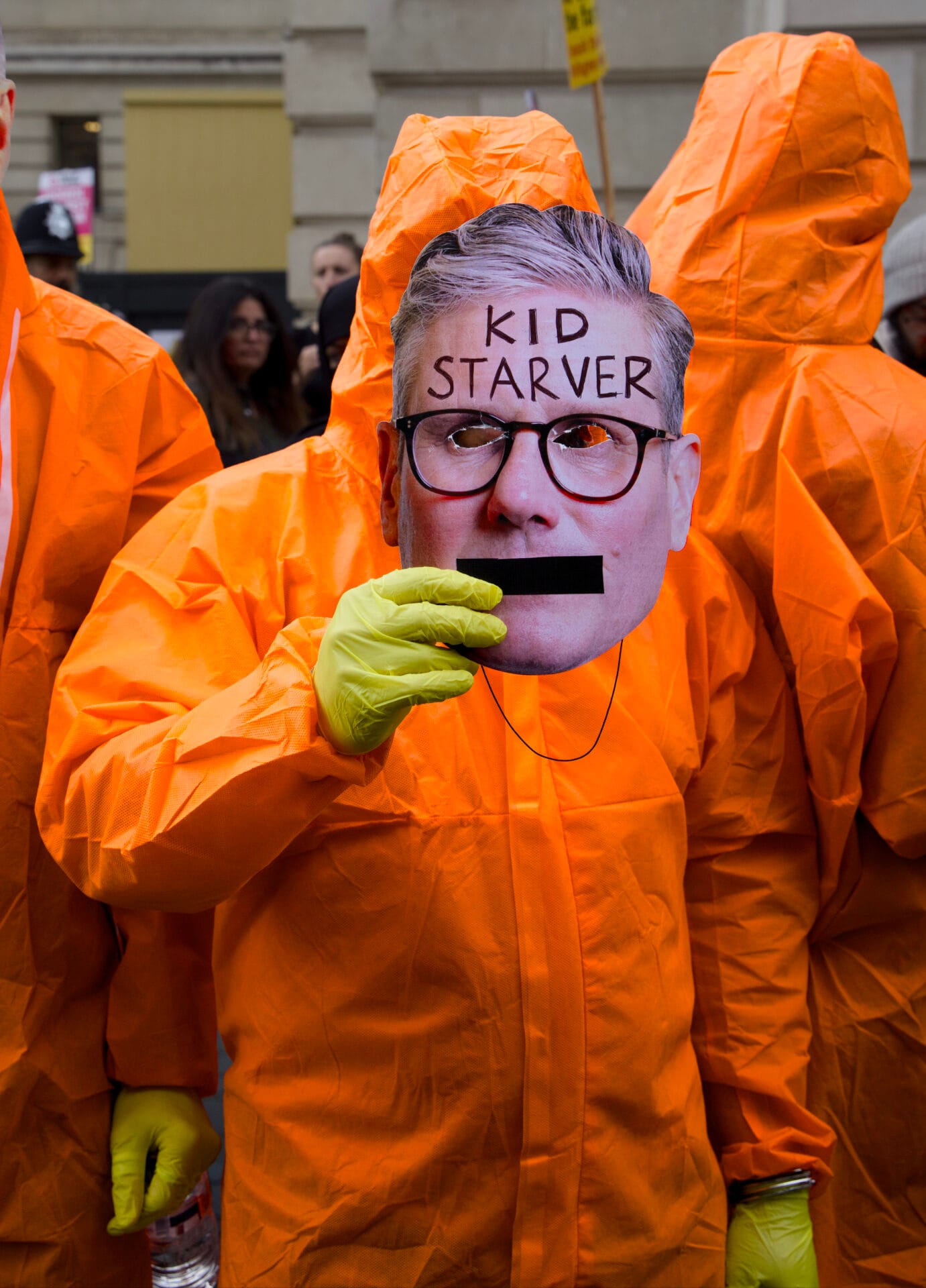
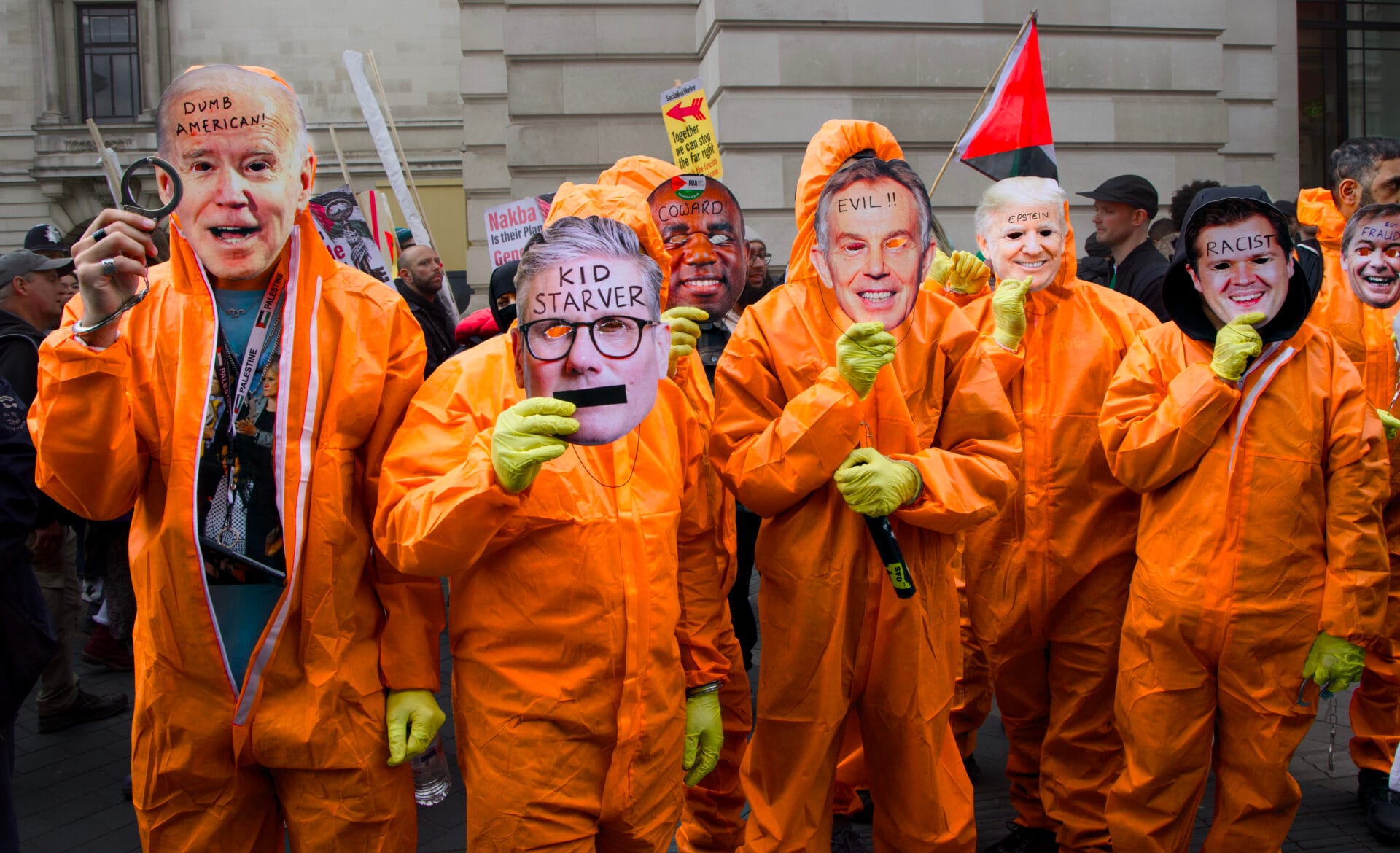
Since Keir Starmer took office in July 2024, many critics have argued that his government showed a disregard for Palestinian lives by continuing policies they say supported Benjamin Netanyahu’s government during what many international organisations, legal experts and campaigners have described as the genocide in Gaza.
Critics argue that Starmer’s government invoked the historic persecution of Jewish people to justify a tougher stance on protests against the UK’s arms exports and diplomatic relationship with Israel, despite growing public pressure to suspend military exports. They contend that this approach prioritised Israeli security while failing to adequately recognise the suffering of Palestinians or respond to calls from sections of the British public, including Jewish organisations such as Jewish Bloc for Palestine and Jewish Anti-Zionist Action, to end UK complicity in Israel’s military campaign and oppose what they describe as the expansionist ambitions of a “Greater Israel”.
For many of Starmer’s critics, these policies represented a profound moral failure. They argue that, despite the worsening humanitarian crisis in Gaza, Starmer maintained broad political and military support for Israel while failing to respond adequately to mounting international concern. According to figures cited by UN agencies, tens of thousands of Palestinians had been killed during the conflict by mid-2026, with women and children accounting for a significant proportion of the deaths.
At home, critics also accuse Starmer’s government of responding to dissent with increasingly heavy-handed policing and legislation. They point to the proscription of Palestine Action under the Terrorism Act 2000 as one of the clearest examples of this approach, arguing that campaigners protesting against the UK’s relationship with Israel became subject to greater criminal investigation and police action. Supporters of Palestine Action and civil liberties organisations have also raised concerns over the number of arrests made during peaceful demonstrations following the group’s proscription.
Ironically, Starmer, a former human rights lawyer, has been accused by critics of failing to uphold the principles of international law that characterised much of his earlier legal career. They argue that his government applied international legal standards inconsistently, adopting what they describe as a “pick and mix” approach driven more by political calculation than legal principle.
Whether Starmer believed he was acting in Britain’s national interest or pursuing the right course politically, his critics argue that he failed both morally and politically. For many, his refusal to describe Israel’s actions in Gaza as genocide came to symbolise a wider unwillingness to confront what they viewed as one of the defining humanitarian crises of his premiership, ultimately contributing to the collapse of public confidence in his leadership.

More from Underline

June 18, 2026
Being British
In Being British, Issy Hawken pairs photography and poetry to reflect on patriotism, political tension and the growing normalisation of hate in contemporary England.
June 25, 2026
Keir Starmer: a political obituary
Keir Starmer has just announced his intention to stand down as Prime Minister and leader of the Labour Party. What went wrong, what went right, and why? Let's have a look.
August 28, 2026
Kill The Bill, five years on
Kill the Bill: five years after the brutal police crackdowns, what has changed?
