
Kill The Bill, five years on
August 28, 2026
“Kill the Bill” began in March 2021 in opposition to the Police, Crime, Sentencing and Courts Bill, legislation that proposed giving police greater powers to impose conditions on protests alongside wider changes to policing and sentencing.
The protests came at an already tense moment. The Black Lives Matter demonstrations of 2020 had brought renewed attention to policing in the UK, while the murder of Sarah Everard by serving Metropolitan Police officer Wayne Couzens in March 2021 had caused widespread anger and grief. A vigil held for Sarah on Clapham Common on 13 March ended with Metropolitan Police officers arresting several attendees, predominantly women, prompting further criticism of the policing of protests and public gatherings.
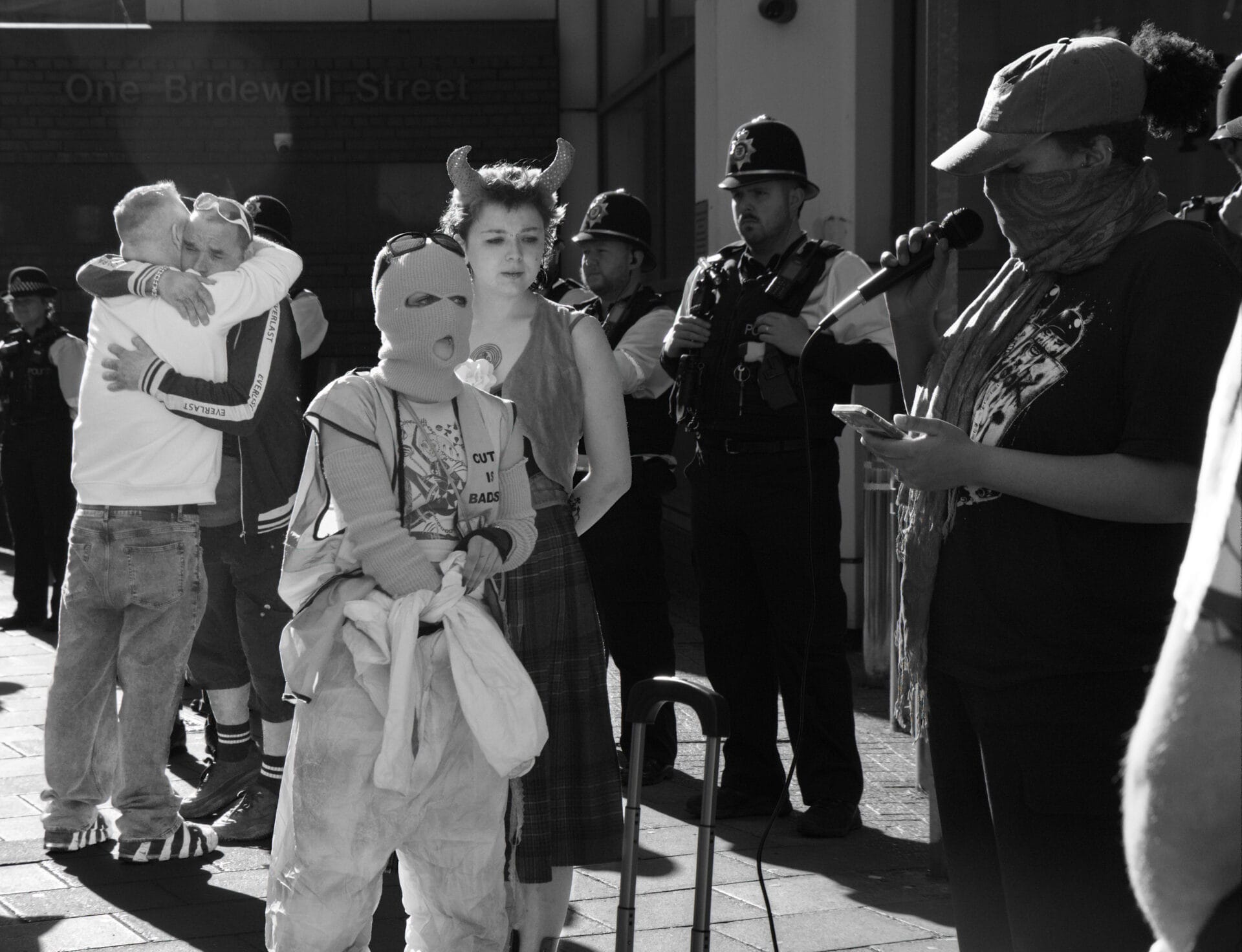
Bristol became one of the focal points of the Kill the Bill movement. On 21 March 2021, thousands gathered at College Green before marching through the city. Later that day, protesters gathered outside Bridewell Police Station, where serious clashes developed between protesters and police. A police vehicle was set alight and windows at the station were smashed, while officers used batons, dogs and mounted units as they attempted to disperse the crowd.
The police response itself subsequently came under significant scrutiny. Video footage appeared to show officers striking demonstrators on the ground with batons and riot shields, while journalists covering the protests reported being threatened or subjected to force despite identifying themselves as members of the press. An inquiry by the All-Party Parliamentary Group on Democracy and the Constitution later raised concerns about the use of disproportionate force, including police dogs, batons and the use of riot shields to strike protesters, a tactic known as “blading”. The inquiry also heard evidence that police actions had contributed to the escalation of disorder.
Further demonstrations followed across Bristol over the next two weeks. On 23 March, police moved to clear a protest camp at College Green, while thousands marched through the city again on 26 March. The final major demonstration on 3 April saw protesters briefly block the M32 motorway.
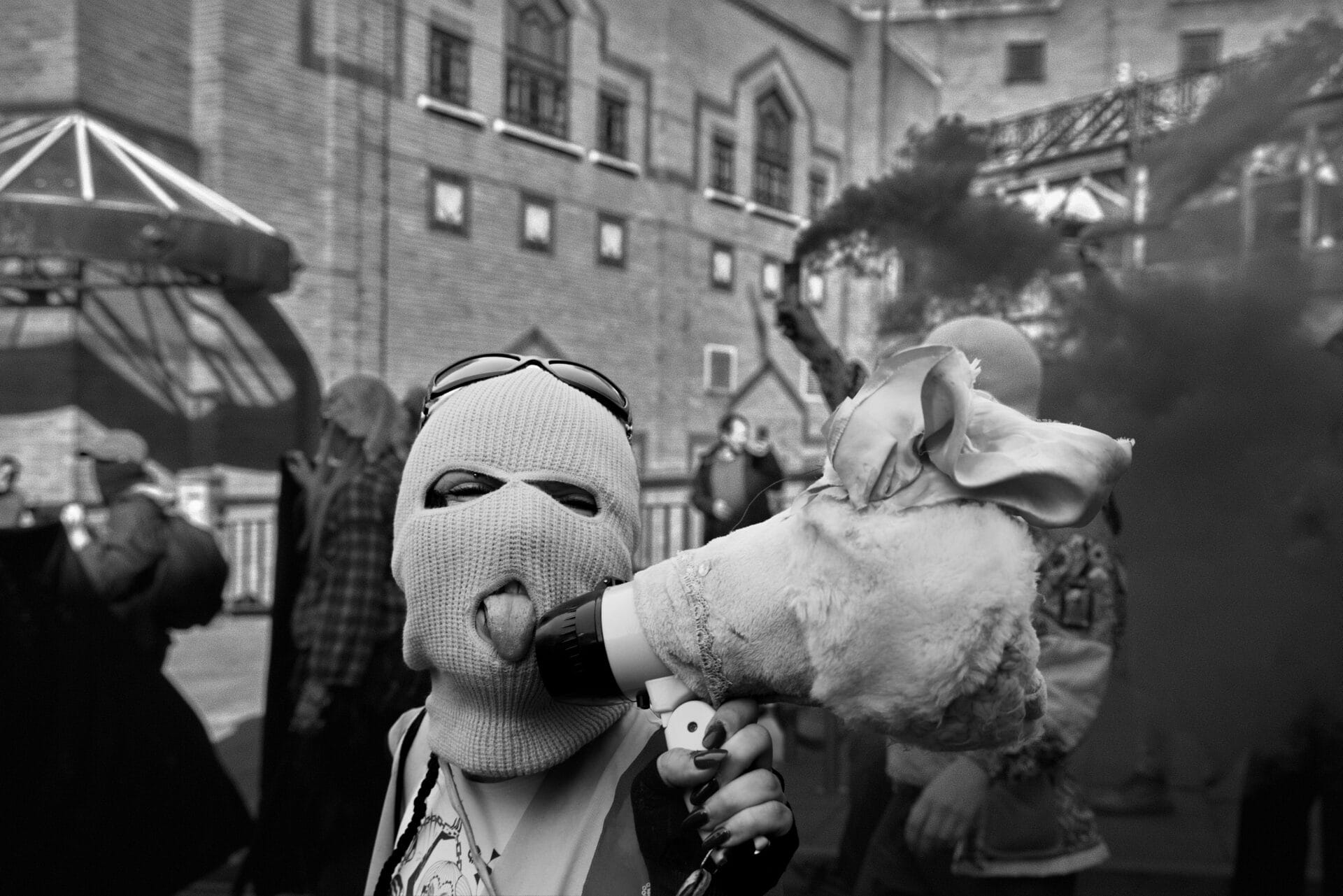
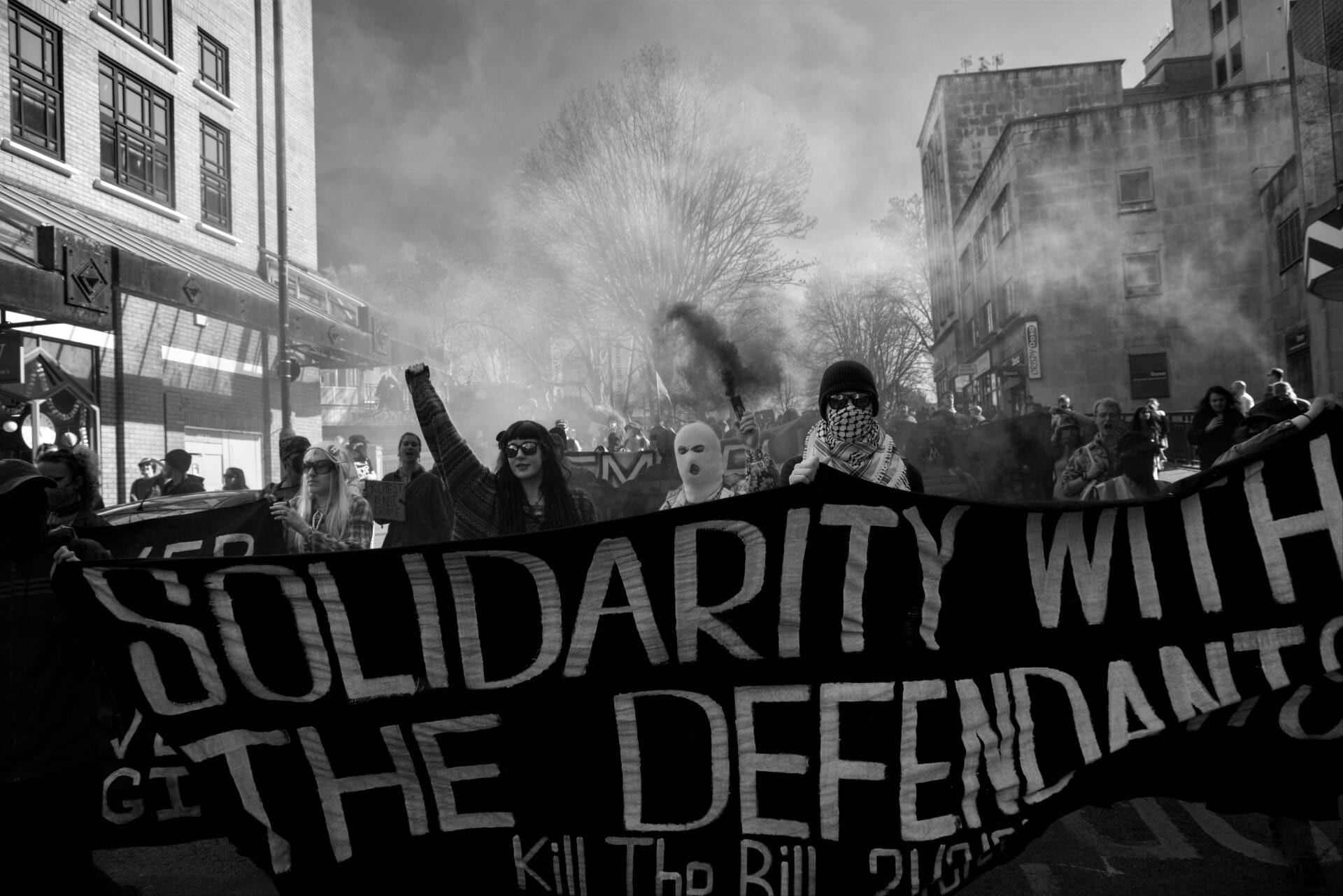
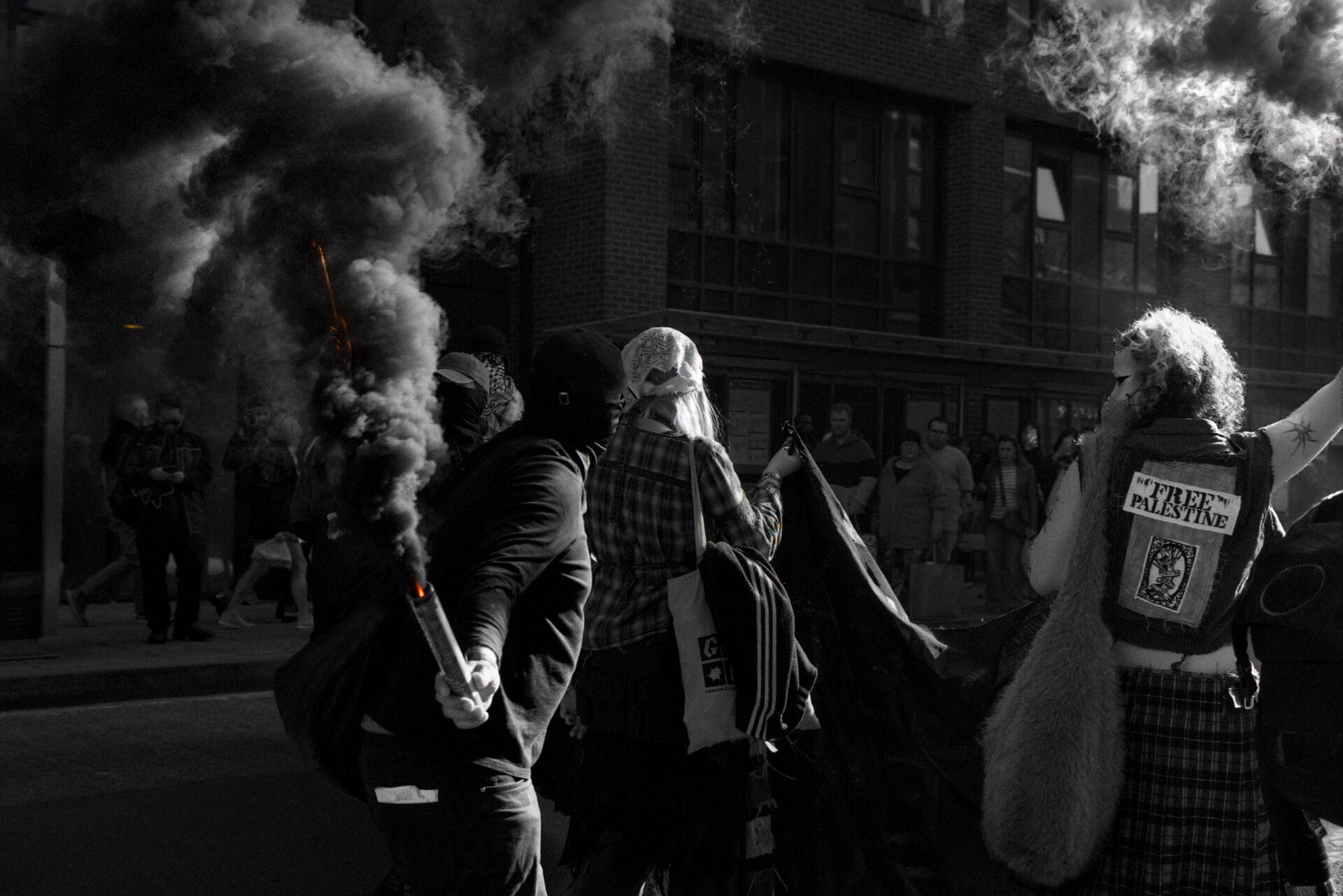
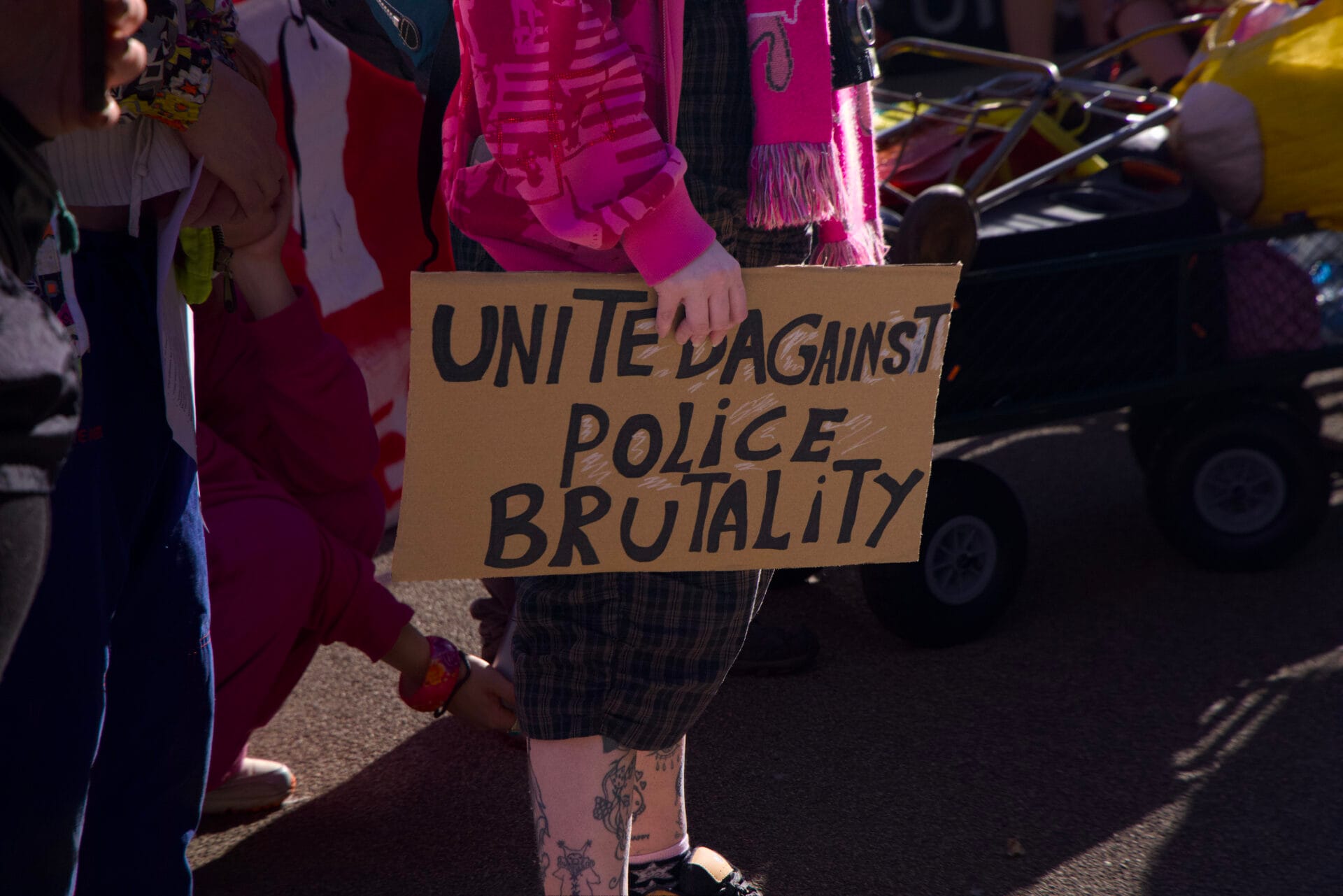
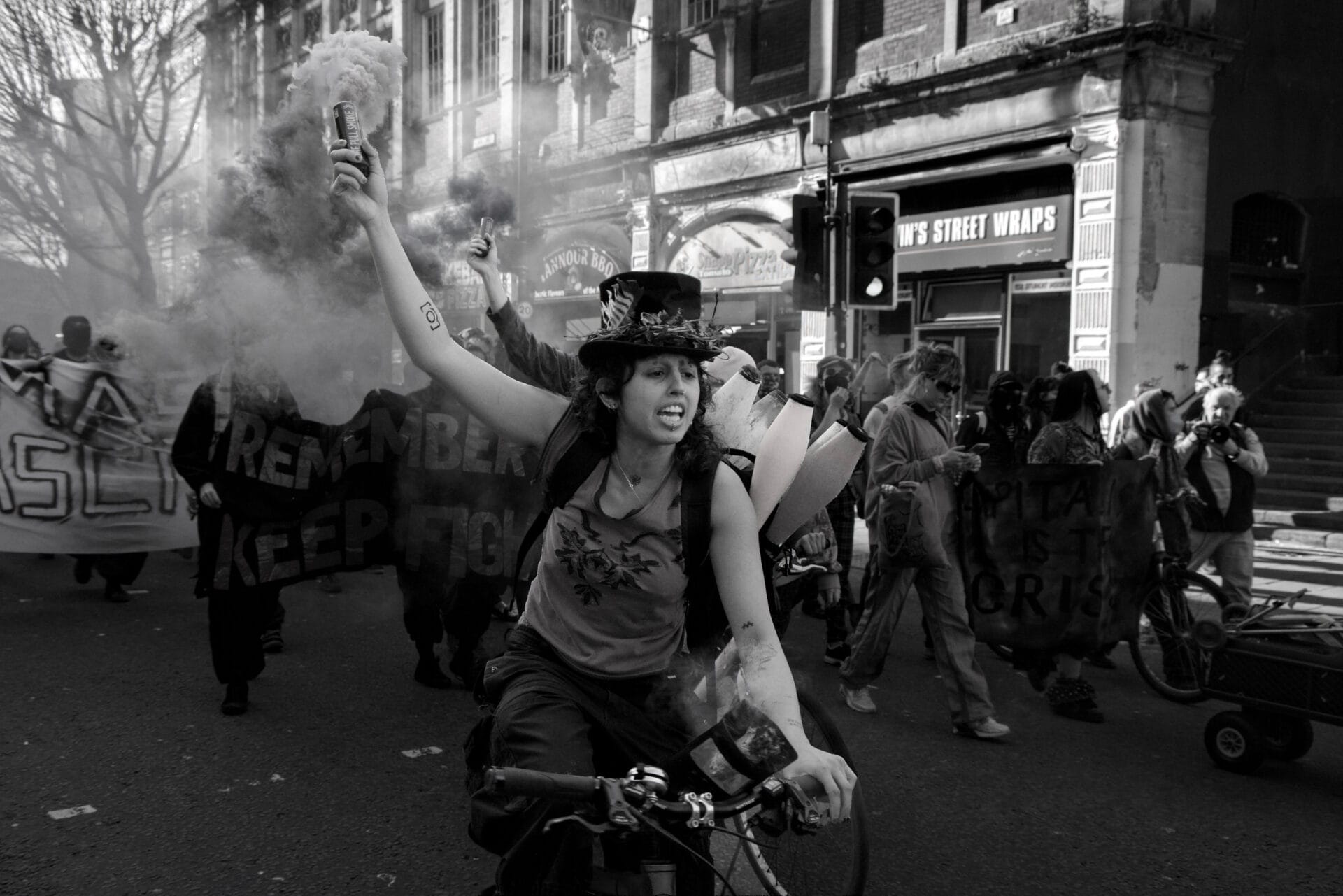
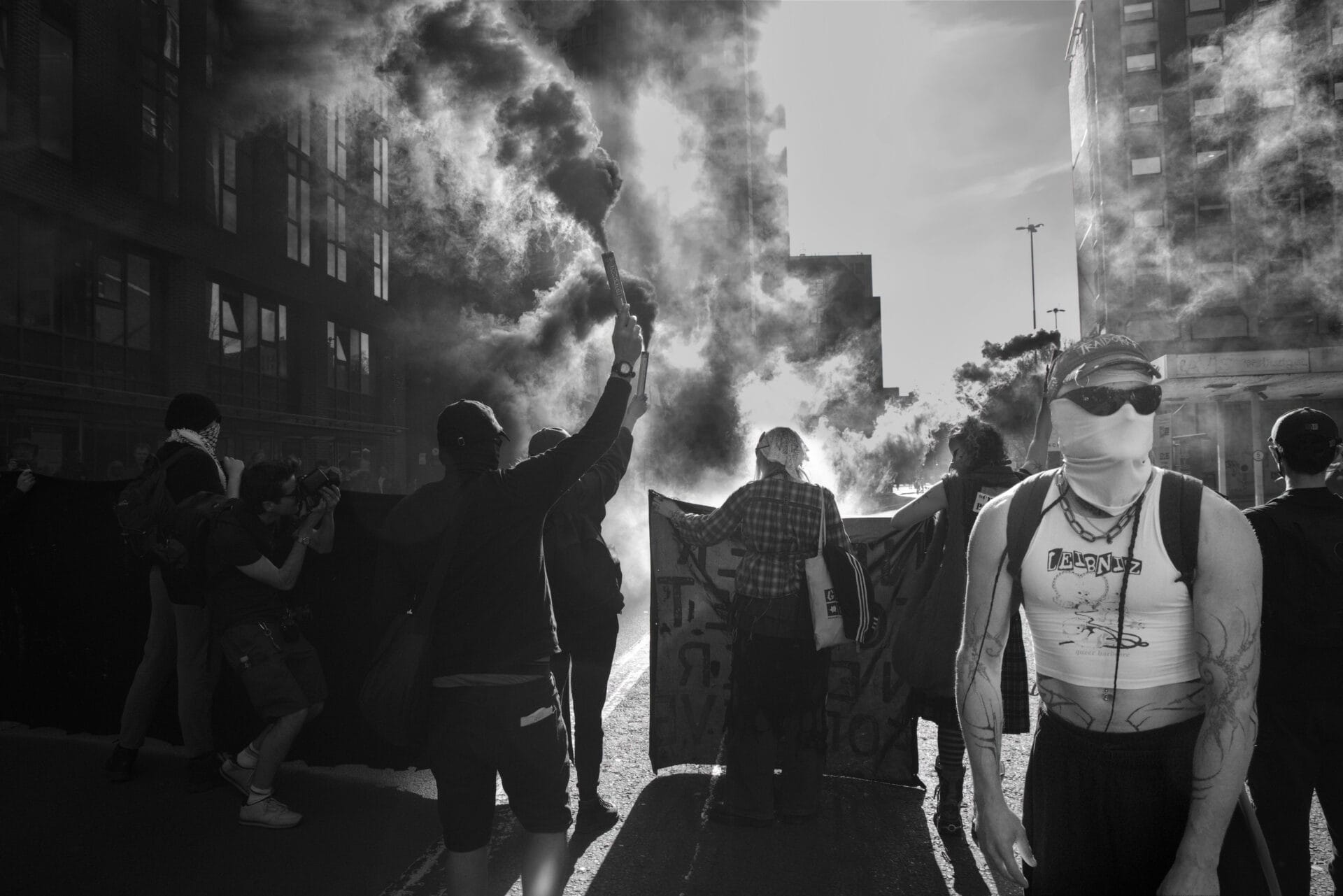
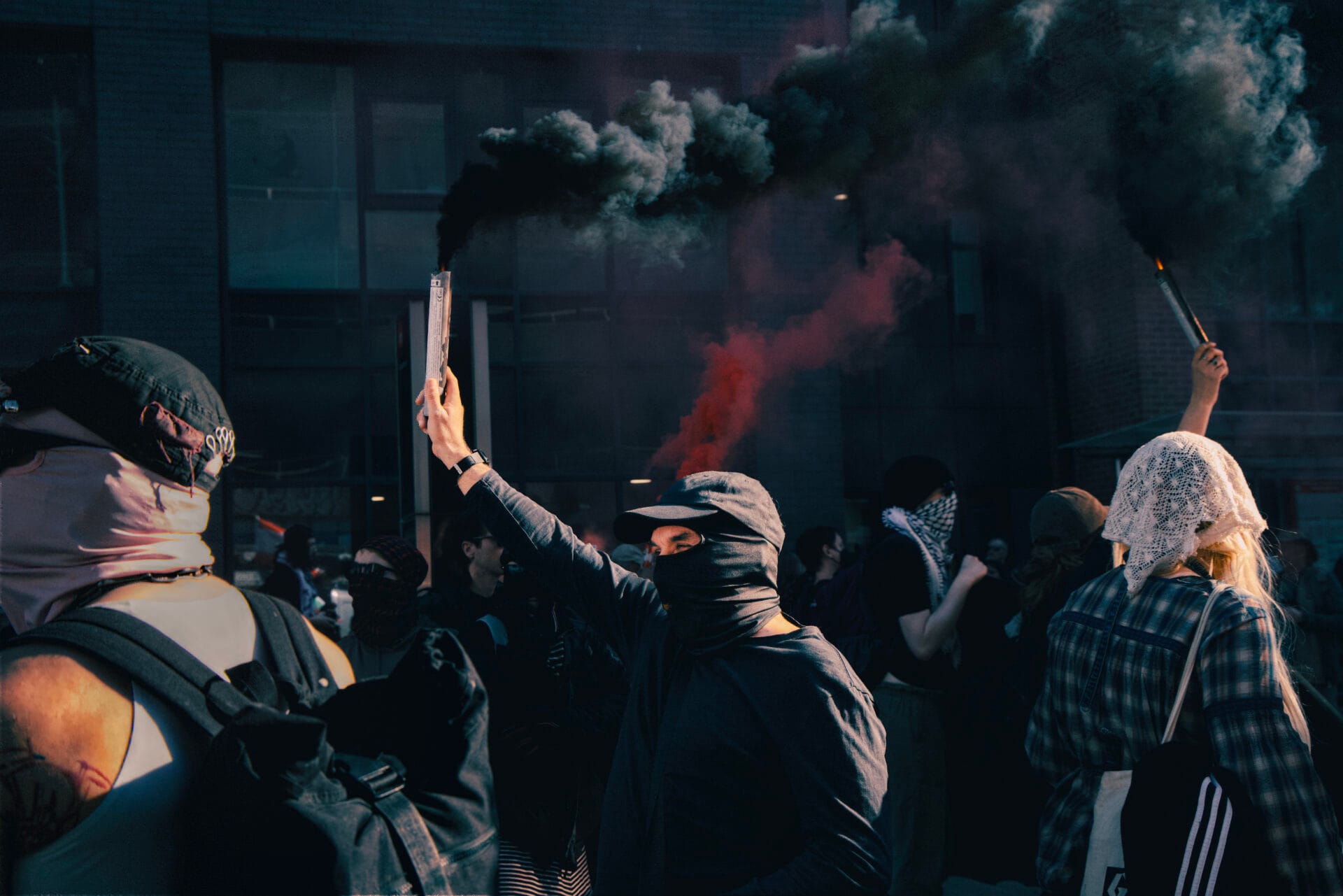
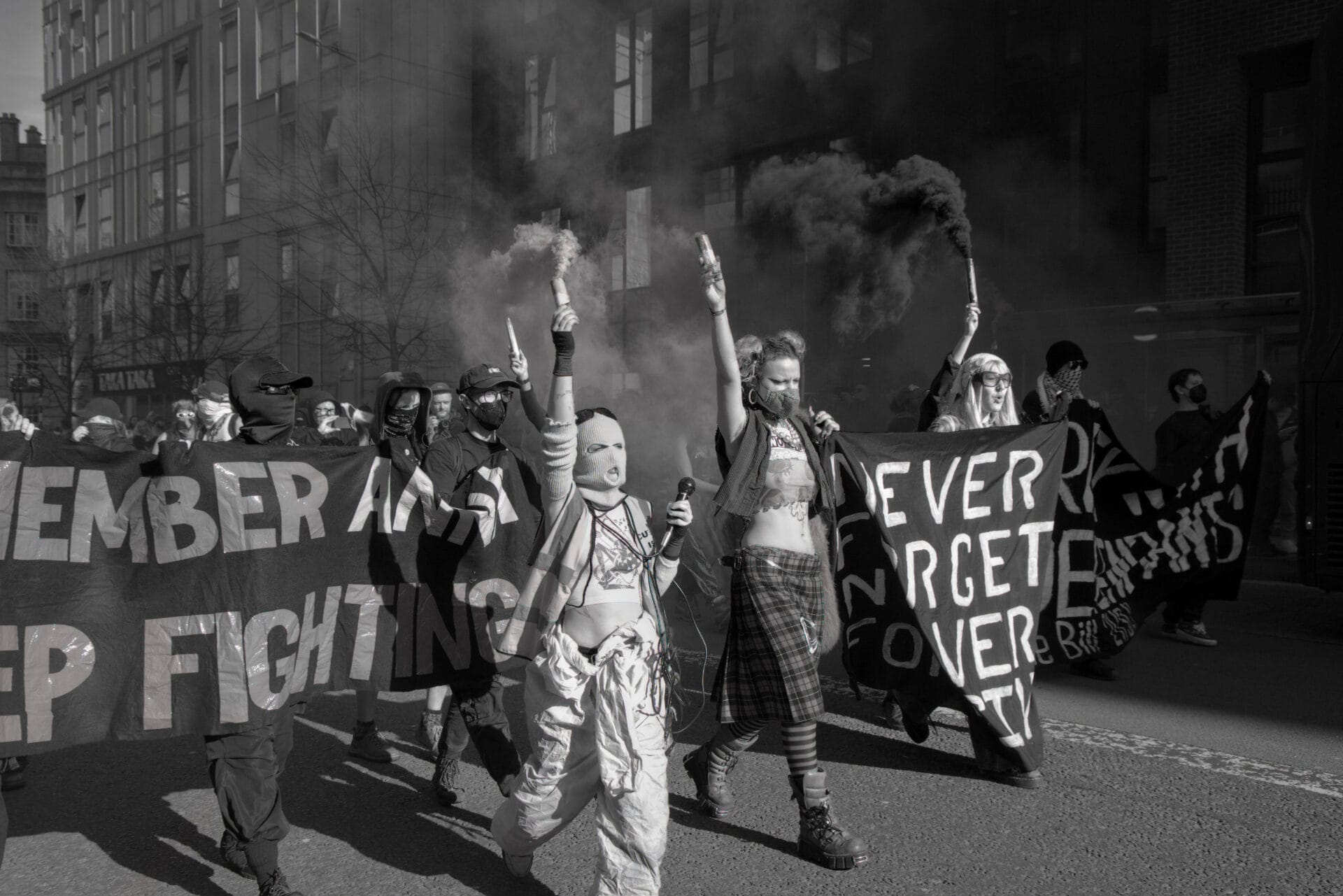
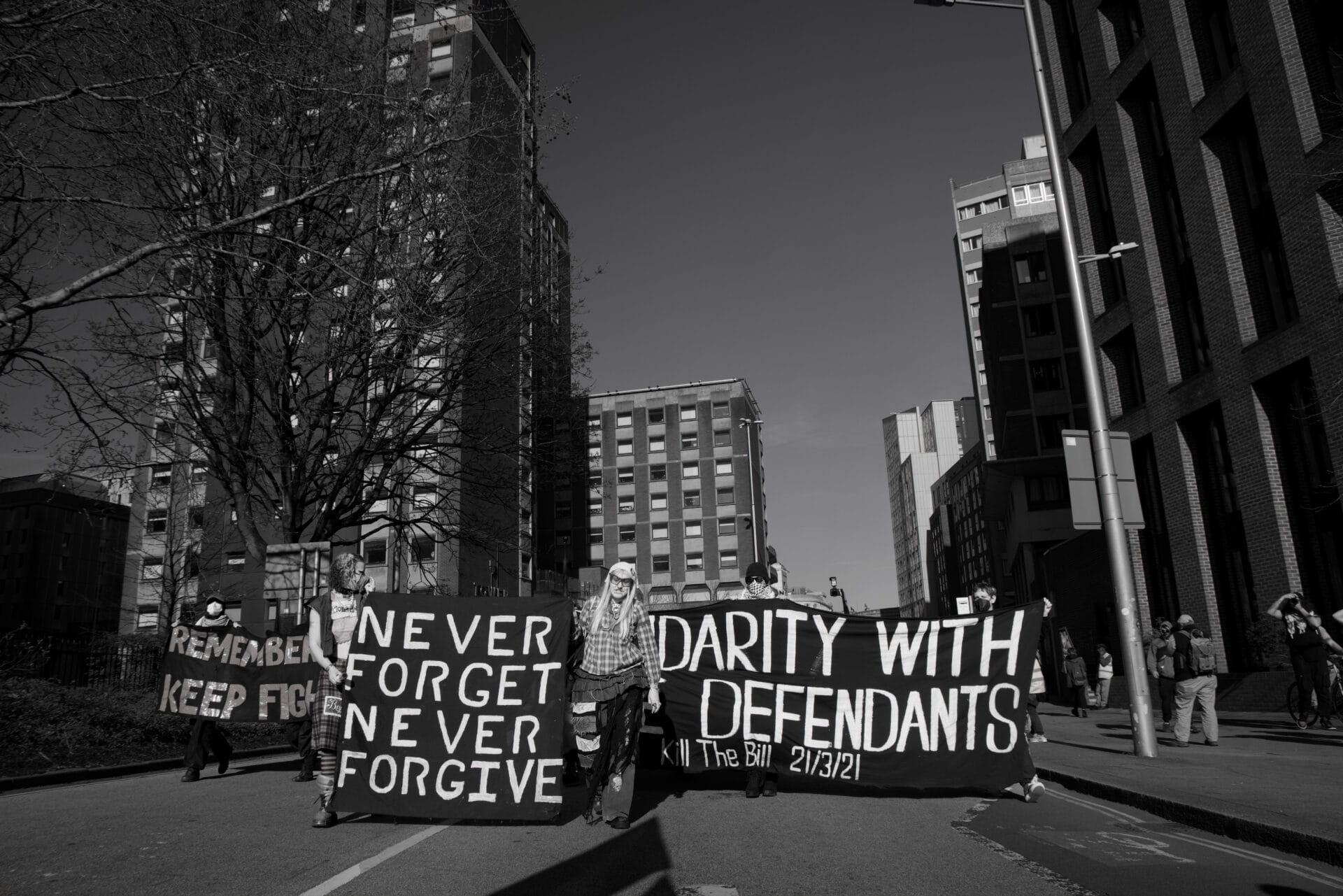
Five years later, on 21 March 2026, I returned to Bristol to document a commemorative demonstration marking the anniversary of those events.
While photographing it, I could see what happened five years earlier had left a visible scar on parts of the community. Outside Bridewell Police Station, I watched a father sob as he was embraced by those around him while speaking about his daughter, who had been imprisoned following the protests. Throughout the demonstration, I saw a mixture of raw emotions and energy: anger, frustration and sadness, but also joy, solidarity and reflection.
Five years on, the legislation at the centre of the original protests has become law, while further legislation affecting protest has followed, including the Public Order Act 2023. For many of those who gathered in Bristol, questions around policing, protest and civil liberties therefore remain unresolved.
These photographs document the people who returned to the streets of Bristol five years later: some remembering what happened in 2021, some continuing to protest, and others simply coming together to mark an event that remains significant to the city.
More from Underline
June 29, 2026
Round 2
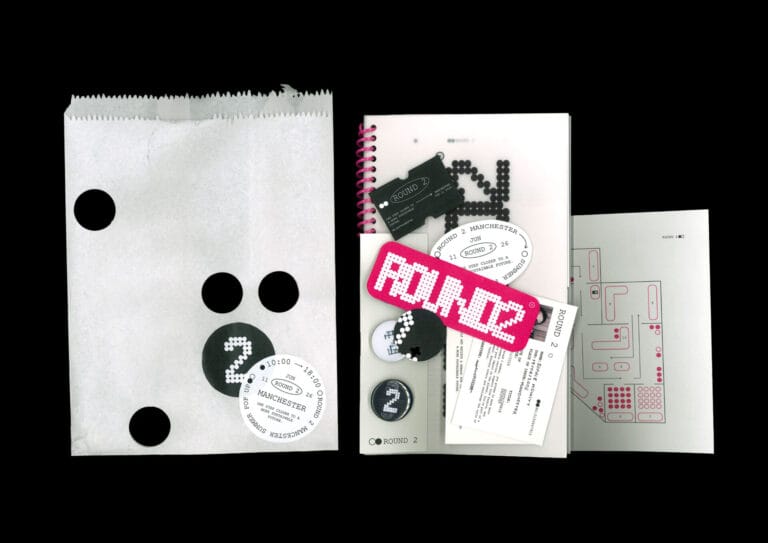
Sophie Howitt's Round 2 uses branding and design to encourage more conscious relationships with fashion, reimagining sustainability through participation rather than consumption.
June 21, 2026
From Refugee To Lord Mayor Of Bristol
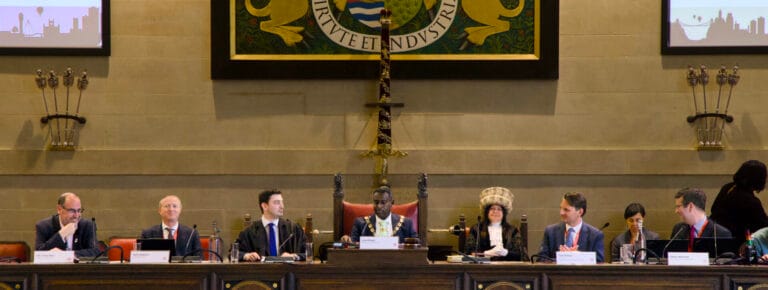
Yassin Mohamud arrived in the UK as a refugee from Somalia. Twenty years later, he became Lord Mayor of Bristol. Alberto Alessandro was there to document Mohamud's inauguration.
August 6, 2026
Clacton: where politics goes to die
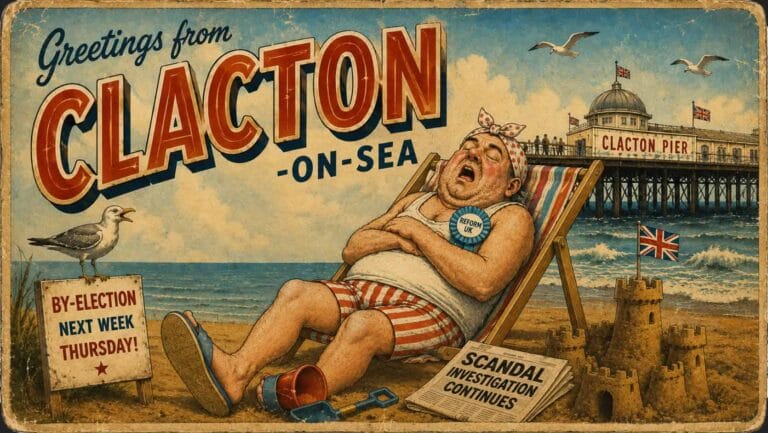
Vote for clowns, get a circus. Oscar Bowman takes a dive into the Clacton by-election and asks whether Nigel Farage has finally run out of road.
